
Fire extinguishers are critically important portable and fixed equipment that directly impact the safety of life and property during potential fire emergencies. Periodic inspections of these devices are carried out in accordance with the Directive on Fire Protection Systems in Buildings, relevant standards, and legal requirements.
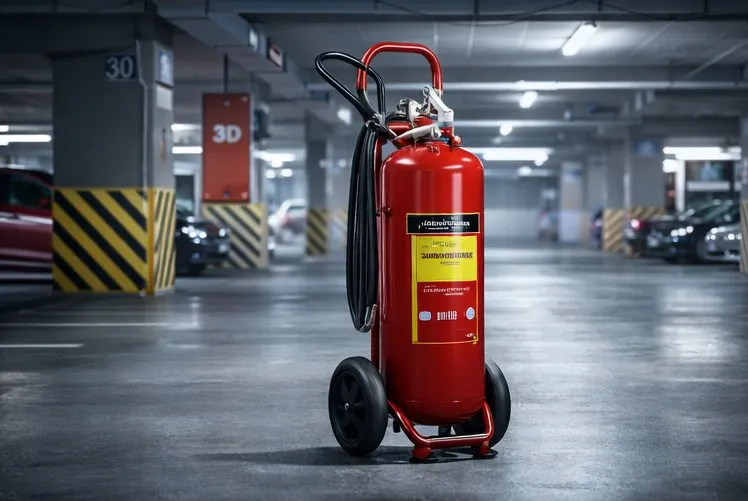
1. Periodic Inspection Criteria
The following technical and safety criteria are taken into account during the periodic inspections of fire extinguishers:
- Device Type and Capacity Compliance: The intended use (water, foam, CO2, powder, etc.) and capacity of the device must be compatible with the risk classification of the facility.
- Pressure and Safety Systems: Pressure gauges, safety valves, and filling pressures are inspected. Leakages and pressure drops in pressurized devices are identified.
- Cylinder and Mechanical Components: Cylinders, valves, hoses, and nozzle mechanisms are inspected for deformation, corrosion, cracks, and wear.
- Body and Connection Elements: The functionality of control valves, check valves, test and drainage valves is evaluated.
- Labeling and Operating Instructions: Device labels, last refilling date, periodic maintenance dates, and operating instructions are verified.
- Accessibility and Mounting: The placement and accessibility of the device, as well as the mounting elements for fixed devices, are evaluated.
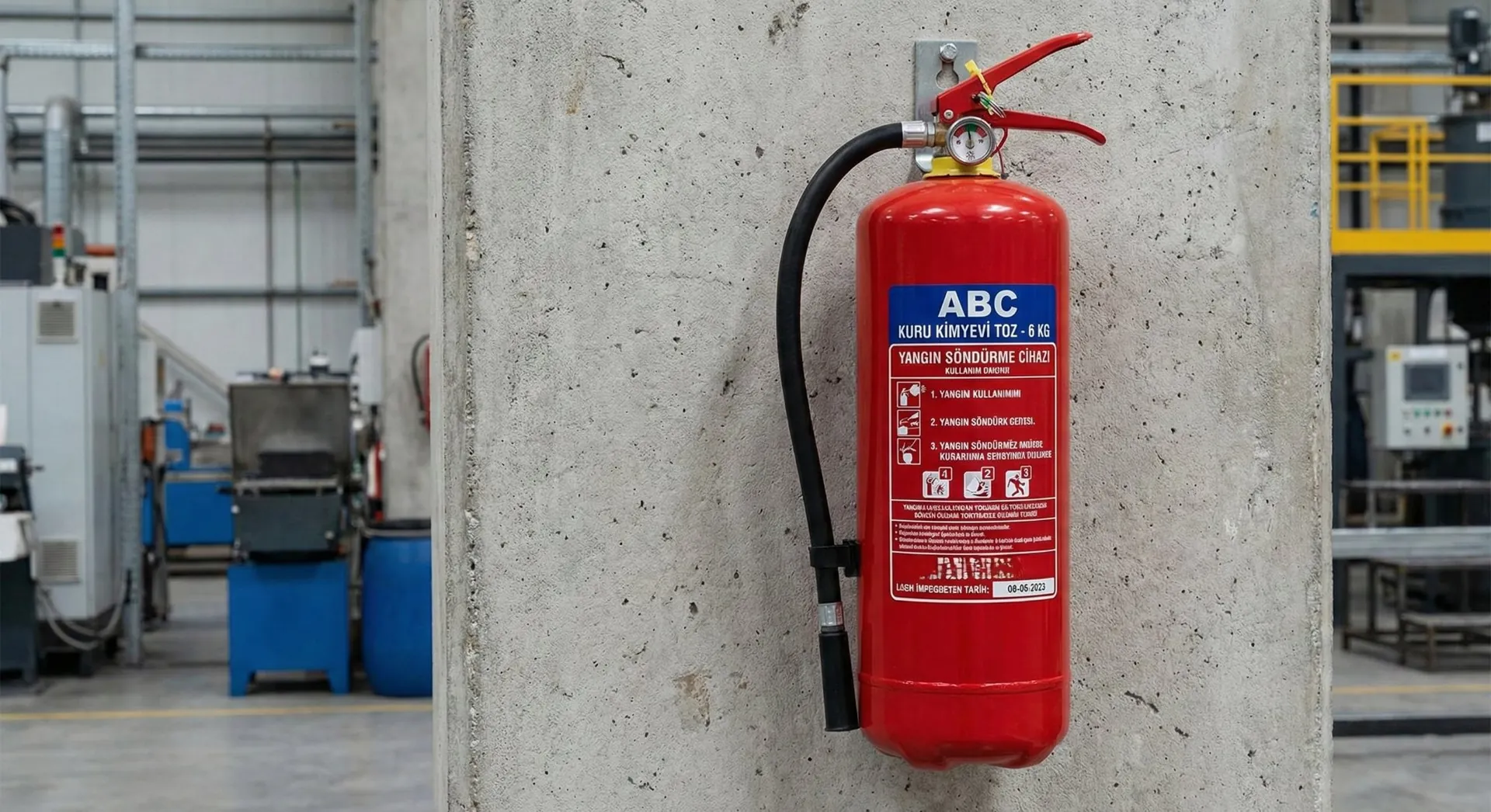
2. Periodic Inspection Methods
Periodic inspection activities are carried out in an impartial, independent, and traceable manner using the following methods:
- Visual Inspection: Visual inspection is performed to assess the condition of the cylinder body, discharge hose, and any signs of corrosion.
- Pressures Test Pressure gauges and charge levels are systematically verified to identify any pressure loss or potential leakages.
- Engineering Evaluation: Final compliance decisions are established by analyzing all gathered data through rigorous engineering calculations and established industry standards.
3. Reporting and Compliance Decision
The report prepared following the periodic inspection clearly includes the applied control methods, measurement results, regulatory and standard references, and the compliance status. The compliance decision is based solely on objective technical data and measurable criteria.
Conclusion: By adhering to the principles of impartiality and technical expertise, our periodic inspection services ensure fire extinguishers remain fully operational and reliable, significantly reducing safety risks in the event of a fire.