
Fire installations are critical installations for life and property safety, designed for early detection, containment, and extinguishment of fires. Periodic inspections of these systems are conducted in accordance with the Directive on Fire Protection Systems in Buildings, relevant standards, and legal requirements.
1. Periodic Inspection Criteria
The following technical and safety criteria are taken as a basis for the periodic inspections of fire systems:
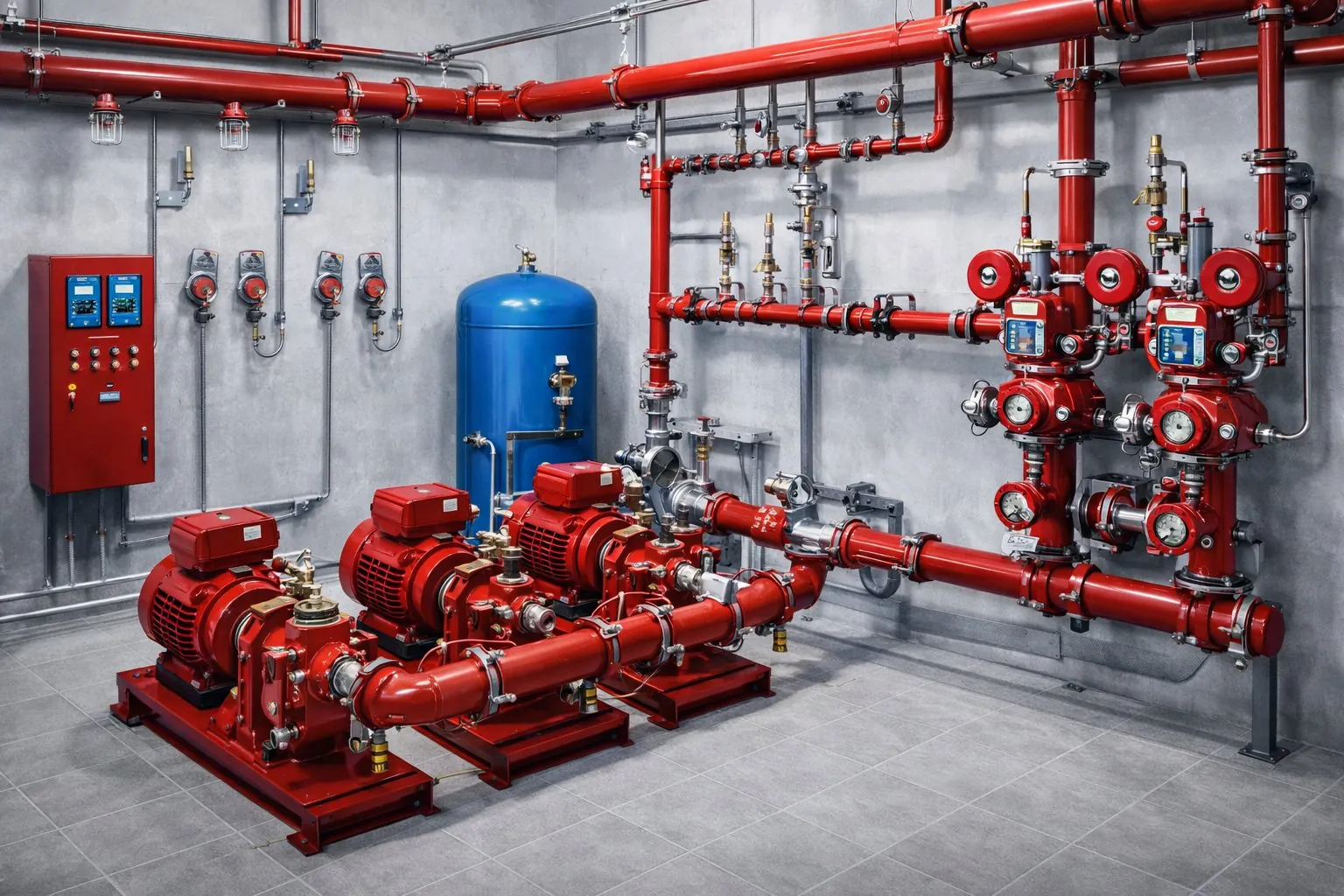
- Design and Project Compliance: The fire system is evaluated for its adherence to the original project design, hydraulic calculations, zoning, and intended occupancy use.
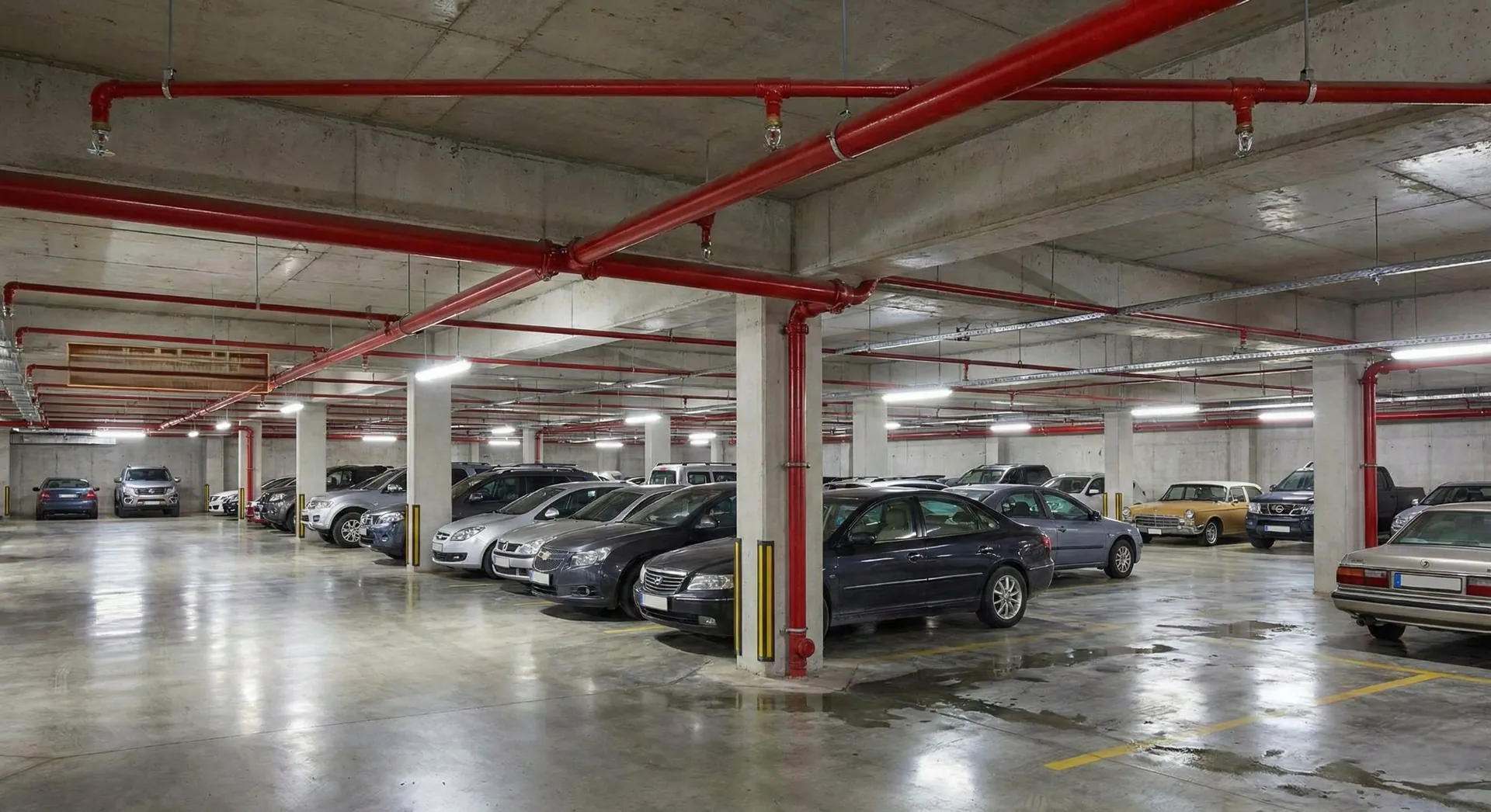
- Piping and Connections: Pipes, hangers, support elements, and joints are inspected for corrosion, leakage, and mechanical strength.
- Fire Pumps: The automatic and manual operation of electric and diesel fire pumps, along with their flow rates and pressure values, are rigorously verified.
- Valves and Control Elements: The functionality of control valves, check valves, test valves, and drainage valves is evaluated.
- Sprinklers and Nozzles: Sprinkler heads and discharge nozzles are checked for correct positioning, physical damage, and any signs of obstruction or clogging.
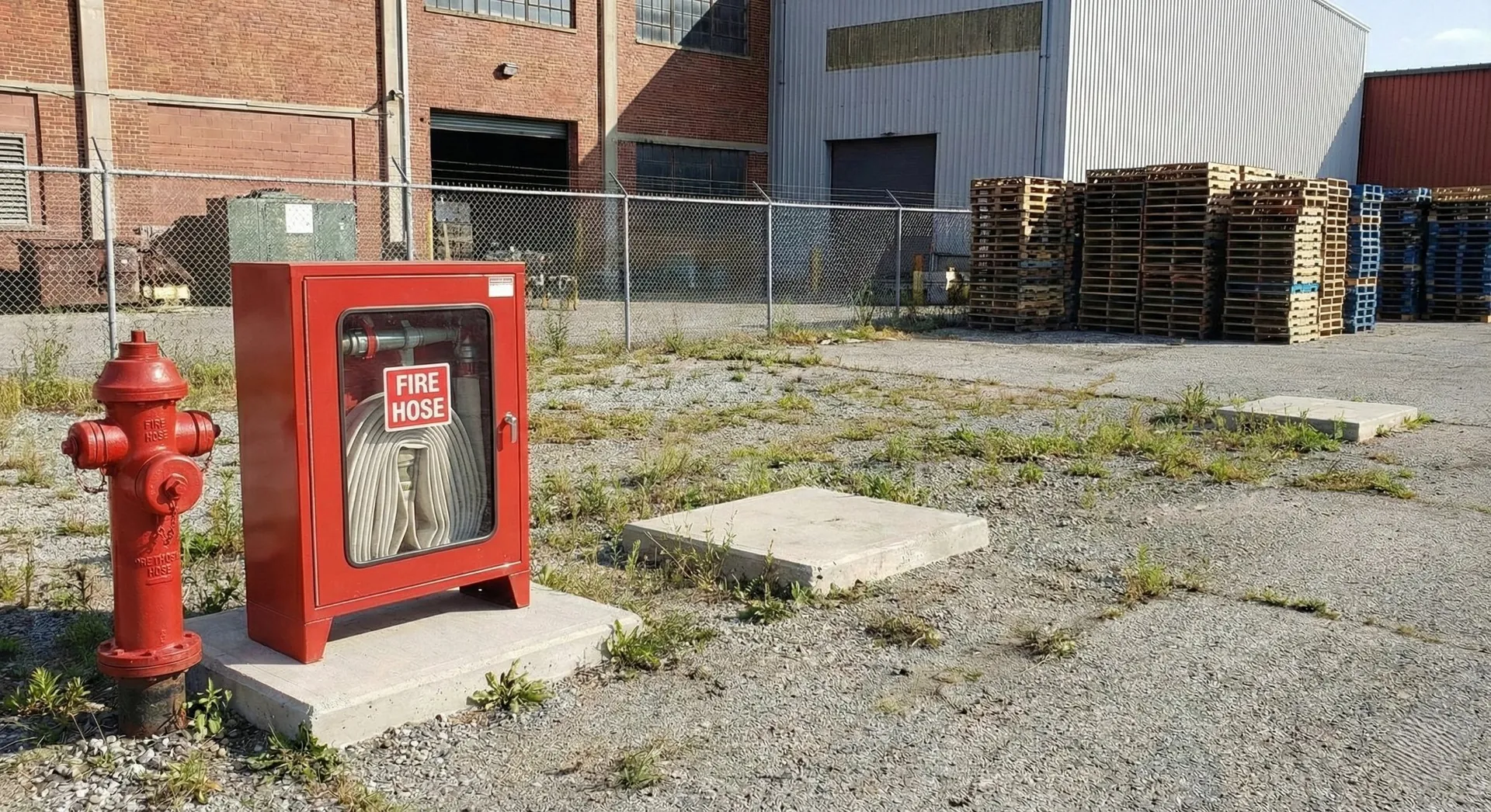
- Hose Cabinets and Hydrants: The suitability and accessibility of fire hoses, nozzles (branchpipes), valves, and connection couplings are inspected.
2. Periodic Inspection Methods
Periodic inspection activities are conducted in an impartial, independent, and traceable manner using the following methods:
- Visual Inspection: All installation components are visually inspected to evaluate their mounting status, physical damage, and corrosion levels.
- Functional Testing: The operational functions of fire pumps, valves, alarms, and flow switches are rigorously tested.
- Pressure and Flow Rate Measurements: Pump discharge pressure, system pressure, and flow rates for hydrants/sprinklers are measured using calibrated instruments and compared against design values.
- Leakage Controls: Pipelines and connection joints are inspected for leaks and pressure drops to ensure system integrity.
- Engineering Evaluation: All gathered data and measurement results are analyzed in accordance with engineering calculations and standard criteria to establish a final compliance decision.
3. Reporting and Compliance Decision
The report prepared following the periodic inspection clearly includes the applied inspection methods, measurement results, regulatory and standard references, and the compliance status. The compliance decision is based solely on objective technical data and measurable criteria.
Conclusion: Periodic inspections of fire systems are conducted in accordance with the principles of independence, impartiality, and technical competence, ensuring the continuity of an effective and reliable fire protection system.