
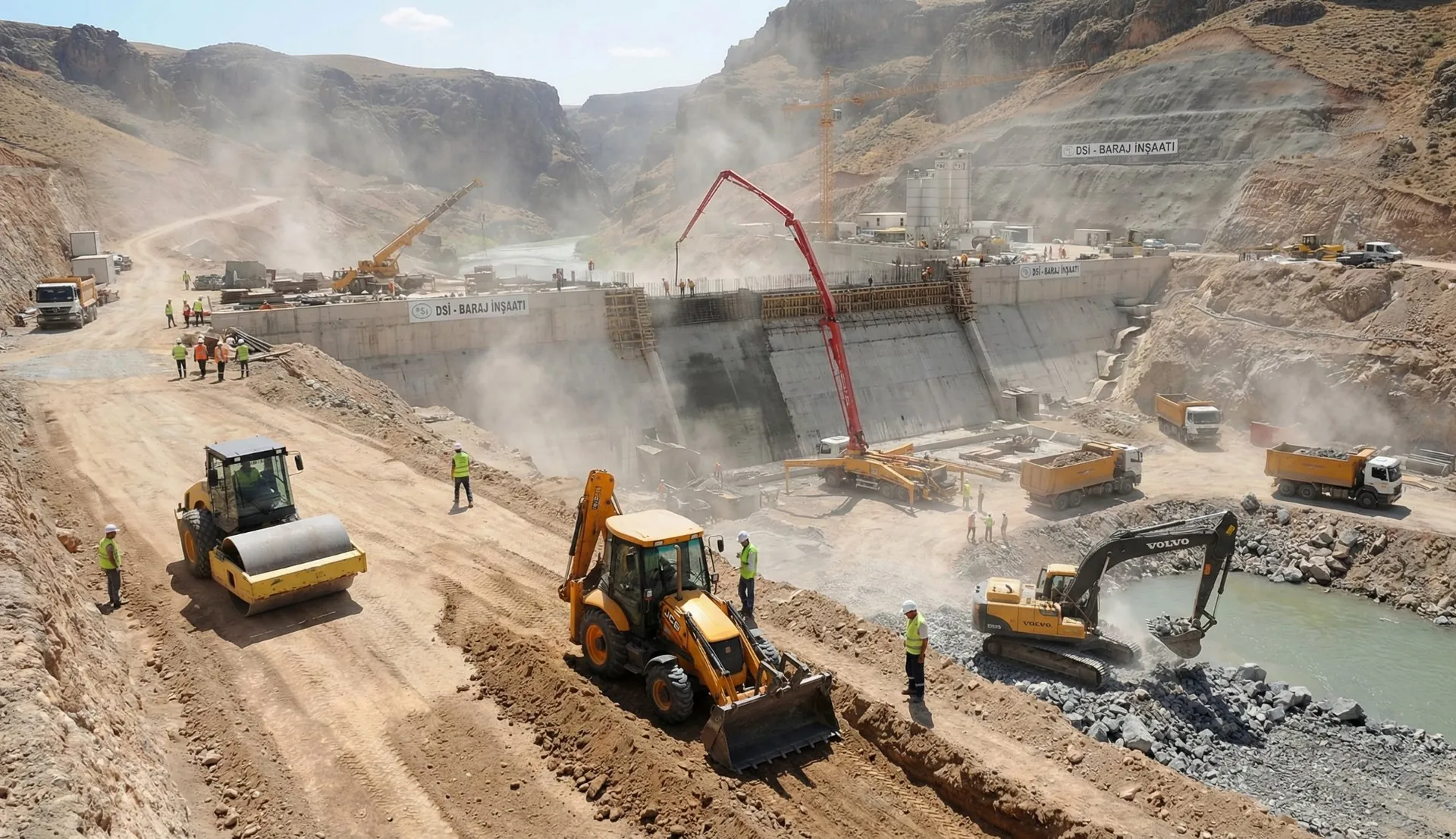
Earth-moving machinery are high-risk mechanical and hydraulic systems that perform load-bearing, excavation, lifting, and transportation tasks in construction, logistics, and industrial operations. Periodic inspections of these machines are conducted in accordance with the Health and Safety Conditions in the Use of Work Equipment, relevant industry standards, and legal requirements.
1. Periodic Inspection Criteria
The following technical and safety criteria are taken as a basis for the periodic inspections of earth-moving machinery:
- Design and Manufacturing Compliance: The equipment's design pressure, operating pressure, maximum temperature ratings, volume, and material specifications are compared with the manufacturer’s technical documentation and relevant standards.
- Mechanical and Structural Integrity: The chassis, boom, arm, hydraulic cylinders, attachments, and fasteners are inspected for deformation, cracks, or corrosion.
- Hydraulic and Pneumatic Systems: The sealing of hoses, cylinders, valves, and connections, as well as pressure values and oil levels, are examined.
- Braking and Safety Systems: The functions of the parking brake, service brake, load-bearing, and stability systems are tested.
- Electrical and Control Systems: In-cabin controls, buttons, joysticks, sensors, and emergency stop systems are inspected.
- Operator Safety: Cabin protection (ROPS/FOPS), field of vision, warning systems, and ergonomic controls are evaluated.
2. Periodic Inspection Methods
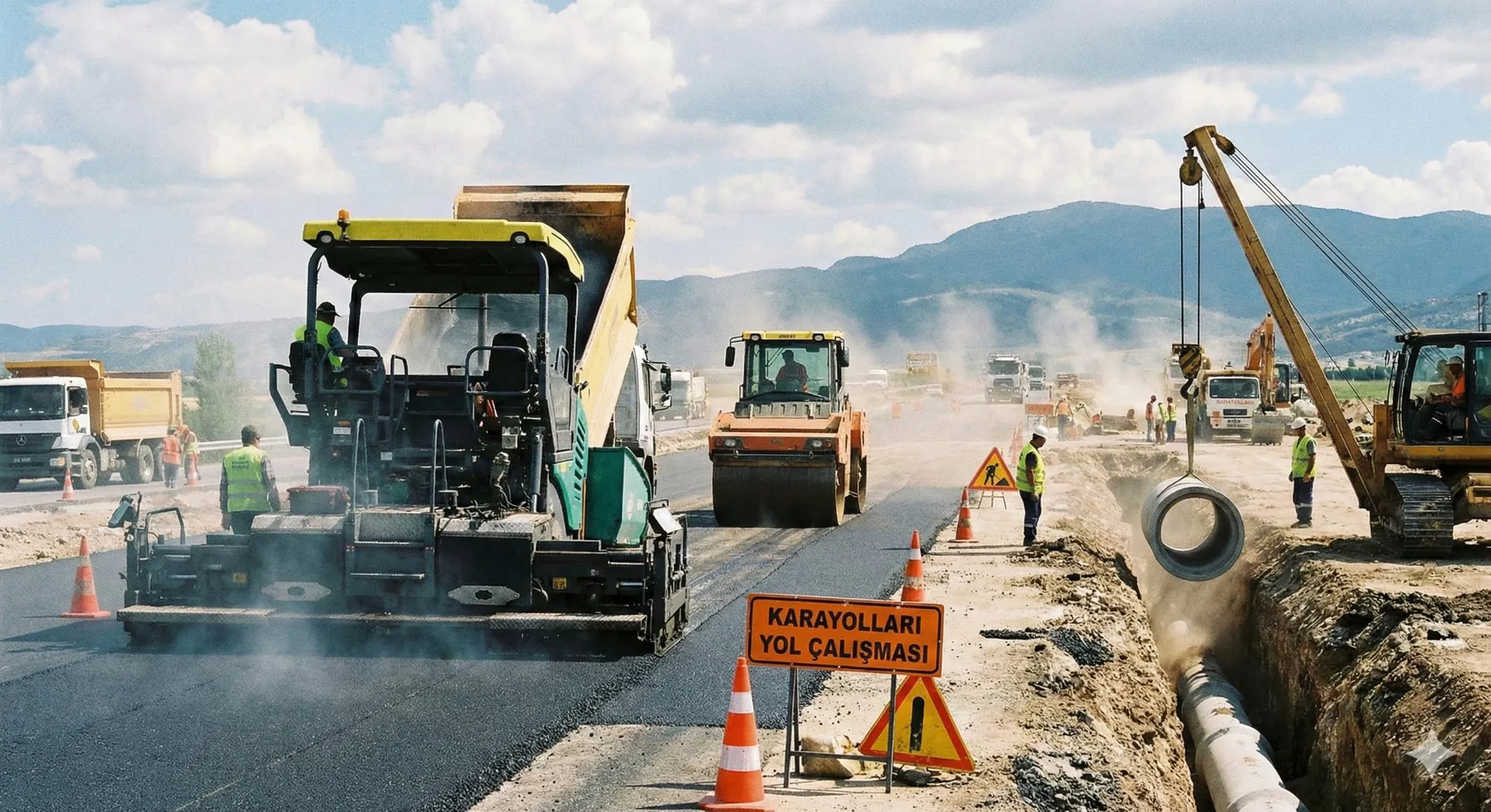
Periodic inspection activities are conducted in an impartial, independent, and traceable manner using the following methods:
- Visual Inspection: The chassis, boom, attachments, and fasteners are visually inspected to detect any deformation, cracks, or corrosion.
- Functional Testing: Load-bearing, lifting, extension, and movement functions are tested under nominal load conditions.
- Hydraulic Testing: Performance is evaluated by measuring pressure and flow tests, engine operating parameters, and drive systems.
- Safety System Tests: The operational functionality of emergency stops, overload limiters, and stability sensors is verified.
- Engineering Evaluation: All gathered data are analyzed in line with engineering calculations and standard criteria to form a compliance decision.
3. Reporting and Compliance Decision
The report prepared following the periodic inspection clearly includes the applied inspection methods, measurement results, regulatory and standard references, and the compliance status. The compliance decision is based solely on objective technical data and measurable criteria.
Conclusion
Periodic inspections of earth-moving machinery are conducted in accordance with the principles of impartiality, independence, and technical competence, ensuring operator safety, occupational safety, and the continuity of machine performance.